Conservas is reader-supported. When you buy through links on our site we may earn an affiliate commission, at no extra cost to you. It never changes what we recommend.
Spain has one of the richest canning traditions in the world, and each stretch of its coastline has its own specialties. Here is a short tour of where Spain’s best-loved conservas come from, and what makes each one worth tasting.
Galicia: shellfish from the rías
The rías, the long sea inlets of Galicia’s Atlantic coast, are some of the most productive shellfish waters in Europe. Mussels grow on rope rafts called bateas, and the region is famous for its canned seafood.
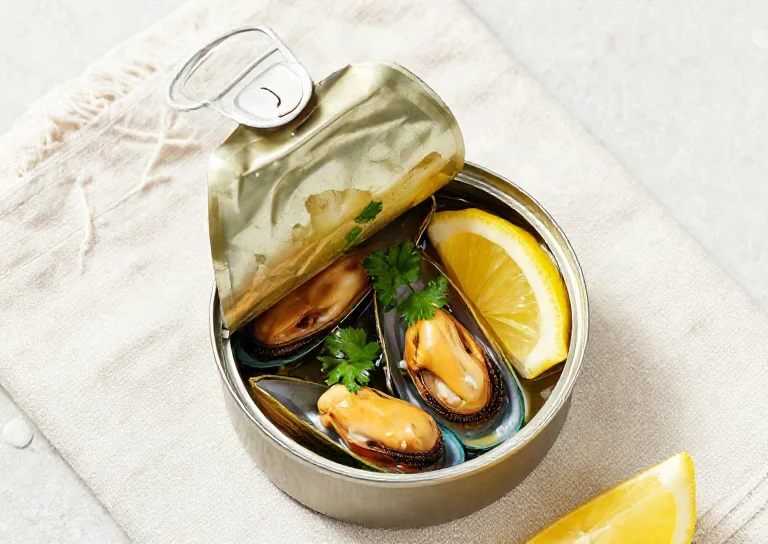
- Mejillones en escabeche: mussels fried and marinated in a paprika, vinegar and olive oil escabeche.
- Berberechos: cockles, usually packed al natural in brine. A classic Spanish aperitivo.
- Navajas: razor clams, tender and sweet.
- Zamburiñas: small scallops, often in a savory sauce.
- Pulpo: octopus, in olive oil or with paprika in the style of pulpo a la gallega.
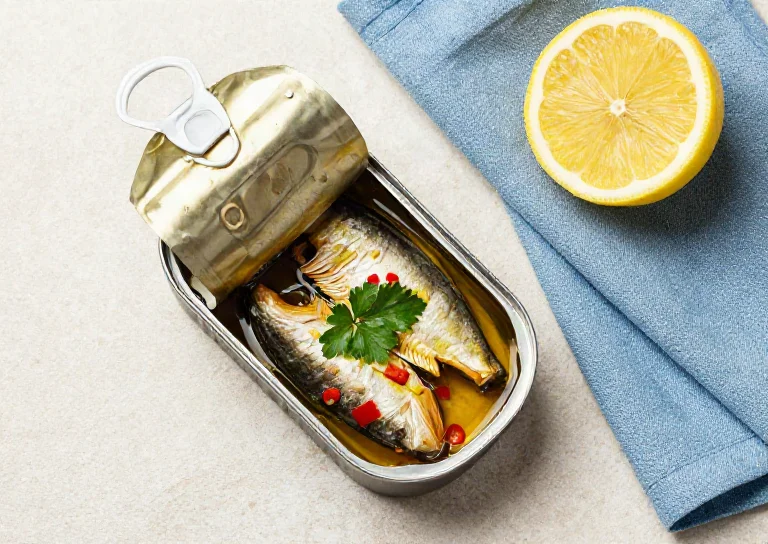
- Sardinas y sardinillas: sardines, large and small, in olive oil or tomato sauce.
The Cantabrian coast: anchovies and bonito
From Cantabria through the Basque Country, the Cantabrian Sea is home to two legendary seasonal catches. Spring brings the anchovy (anchoa). Towns such as Santoña are famous for curing it in salt for months and then filleting it by hand. Summer brings bonito del norte, the white albacore tuna, traditionally line-caught one fish at a time and packed in olive oil.
Asturias: smoked fish and cider country
Asturias has a smaller but distinctive canning scene, including small producers who smoke fish over wood before packing it. Smoked mackerel, sardines and tuna from the region are smoky and rich, and pair naturally with the local cider.
Andalucía: almadraba tuna
On the Atlantic coast of Cádiz, bluefin tuna has been caught for centuries with the almadraba, a maze of nets set as the fish migrate past in spring. Canneries around Barbate pack prized cuts such as ventresca and tarantelo, and the region also produces mojama, salt-cured and air-dried tuna loin.
Preparations to know
- En aceite de oliva: in olive oil, the classic.
- Al natural: in its own juices or light brine; the purest taste of the fish.
- En escabeche: a tangy marinade of vinegar, paprika, bay and olive oil.
- En salsa de tomate: in tomato sauce, comforting and great with rice or pasta.
- En salsa de vieira: a sweet onion and tomato sauce, traditional with scallops.
Frequently asked questions
What is the difference between conservas and ordinary canned fish?
“Conservas” simply means preserves, but the word has come to mean the Iberian tradition of premium tinned seafood: carefully sourced, often hand-packed, and meant to be eaten as a dish in its own right rather than as an ingredient.
Which variety should a beginner try first?
Start with tuna loin in olive oil or mussels in escabeche: both are approachable and very versatile. Then try sardines and anchovies once you have a feel for the style.
Ready to taste the difference?
Browse our hand-picked tins, or keep learning with more buying guides.

Written by
admin
Part of the Conservas editorial team: seafood lovers who taste, compare and research every tin we recommend.