Conservas is reader-supported. When you buy through links on our site we may earn an affiliate commission, at no extra cost to you. It never changes what we recommend.
A great tin of conservas can be one of the best things you eat all week: fish caught in season, cooked and packed by hand, and left to mellow in good olive oil. A poor one tastes of little more than salt and metal. The difference is almost always visible on the label, if you know where to look.
Read the label like a producer
Spanish canneries are proud of their raw material and say a lot about it on the tin. Look for the exact species and the style of preparation rather than a vague description.
- Bonito del Norte is albacore tuna (Thunnus alalunga), the pale, delicate white tuna of the Cantabrian Sea. Atún claro is yellowfin (Thunnus albacares): darker, meatier and usually less expensive.
- Ventresca is the belly cut of the tuna, the richest and most tender part of the fish.
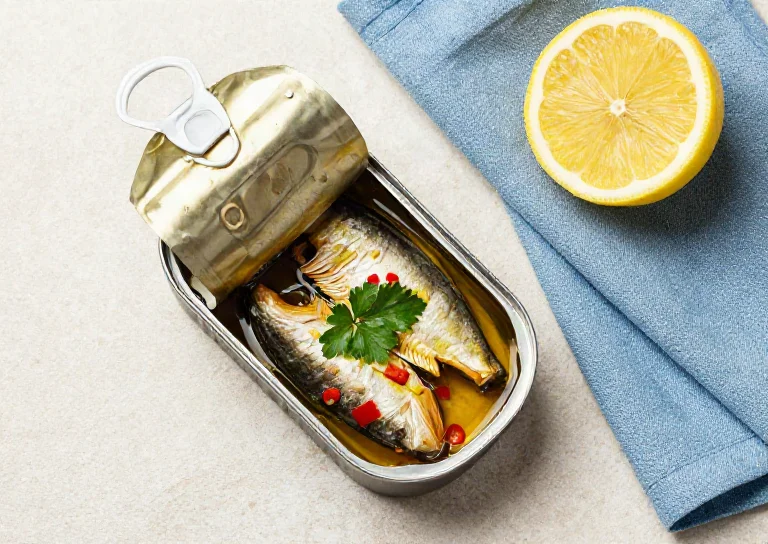
- Sardinillas are small sardines, often 16 to 25 to a tin; sardinas are larger fish, usually four to six.
- Words like artesanal, elaborado a mano or fileteado a mano mean the fish was cleaned and packed by hand.
Check the catch area and the packing date
Good producers name the waters their fish came from: the Galician rías, the Cantabrian Sea, the Bay of Biscay. A specific region tells you the cannery knows exactly where its fish came from. Seasonal fish such as bonito and anchovy are caught during a short season each year and packed straight away, so a named region usually points to a traditional product.
Many Spanish tins also carry a best-before date (fecha de consumo preferente) several years ahead. Some enthusiasts deliberately age oily fish like sardines: over a few years the flesh softens and absorbs the oil, much like a wine mellowing in the bottle.
Look for quality olive oil
The packing liquid is half the experience. Extra virgin olive oil (aceite de oliva virgen extra) adds flavor of its own and protects the fish as it ages. Cheaper tins use refined olive oil, “vegetable oil” or sunflower oil, which taste flat by comparison. Don’t pour the oil away: use it to dress bread, potatoes or a salad.
Consider the texture you prefer
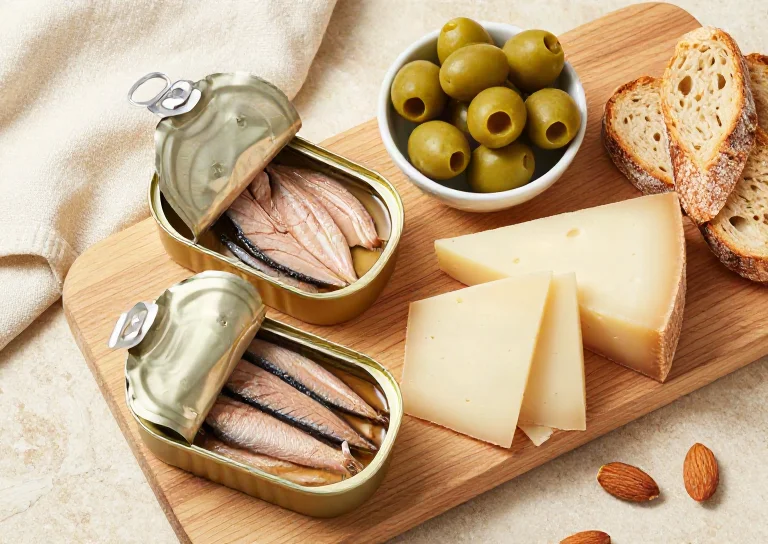
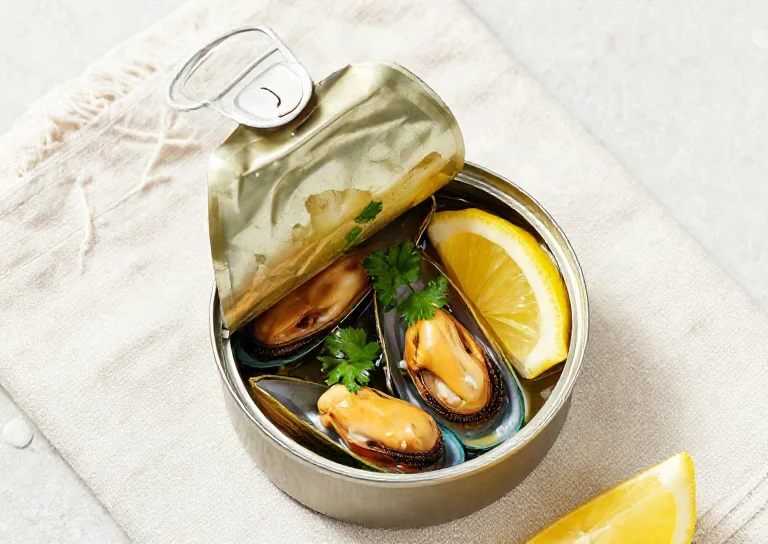
Each style has its place. Tuna loin and mackerel fillets are firm and meaty, and good for salads and sandwiches. Ventresca, anchovies and small sardines are silky and delicate, best eaten simply on bread. Shellfish such as mussels, cockles and razor clams are tender and briny. Choose them al natural (in their own brine) to taste the sea, or en escabeche for a tangy, paprika-spiced marinade.
How to store your tins
- Keep sealed tins somewhere cool, dry and dark. If you are aging sardines, turn the tins over every few months so the oil coats the fish evenly.
- Once opened, move any leftovers to a glass container, cover them with their oil and refrigerate. Eat within a day or two.
- Avoid tins that are swollen, deeply dented along the seams, or rusted.
Frequently asked questions
Are expensive conservas really better?
Usually, yes. Price mostly reflects the species, the cut and how much hand work went into it. A tin of hand-filleted ventresca takes far more labor than tuna flakes. You don’t need the most expensive tin for every use, but for eating straight from the tin, better fish is easy to taste.
Should conservas be eaten cold?
Serve them at room temperature. Take the tin out of the fridge (or cupboard) a little before serving so the oil loosens and the flavors open up.
Is the oil in the tin safe to eat?
Yes. In a good tin it is excellent olive oil that has taken on the flavor of the fish. Use it in dressings, drizzle it on bread, or toss it with pasta.
Ready to taste the difference?
Browse our hand-picked tins, or keep learning with more buying guides.

Written by
admin
Part of the Conservas editorial team: seafood lovers who taste, compare and research every tin we recommend.