Conservas is reader-supported. When you buy through links on our site we may earn an affiliate commission, at no extra cost to you. It never changes what we recommend.
Troubleshooting Common Issues with Canned Sardines
Canned sardines are a convenient and nutritious food option, but issues can arise during storage or consumption. Understanding how to troubleshoot common problems ensures you enjoy the best quality from your canned seafood. This guide will help you identify potential issues, evaluate safety, and enhance your culinary experience.
Canned Seafood Quality
The quality of canned sardines is influenced by several factors including sourcing, processing methods, and packaging. When purchasing canned sardines, look for brands that emphasize sustainable fishing practices and high-quality ingredients. Check labels for certifications from organizations like the FDA or USDA that indicate adherence to safety standards.
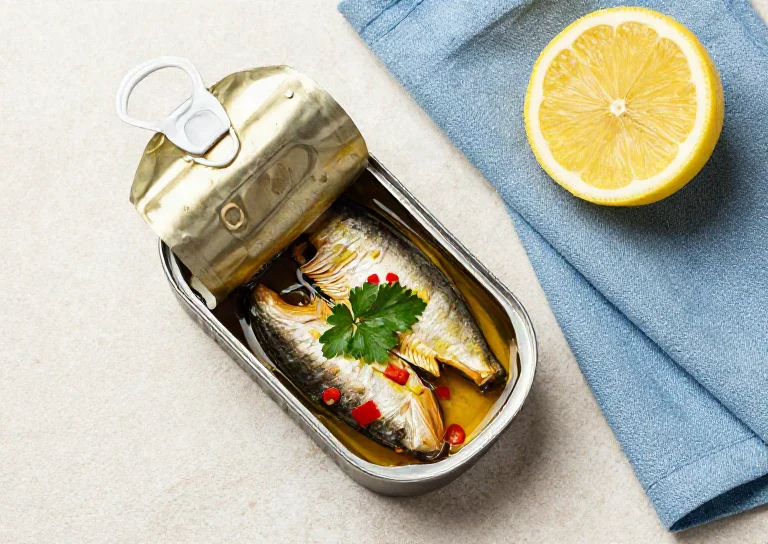
Once opened, inspect the contents closely. Fresh sardine fillets should appear moist and glistening in their canning liquid without any signs of discoloration or off-putting odors. If you notice an unusual smell or appearance, it is advisable to discard the product as these could be indicators of spoilage.
Fish Preservation Methods
Understanding fish preservation methods helps ensure that canned sardines maintain their flavor and nutritional value over time. The primary techniques include canning in oil or water with added salt for preservation. Oil-packed sardines tend to have a richer taste due to the infusion of flavors from olive oil or other oils used in processing.
When storing unopened cans, keep them in a cool, dry place away from direct sunlight. Once opened, transfer any unused portion into an airtight container if not consumed immediately; this prevents oxidation which can affect taste and texture.
Tinned Fish Safety
Safety is paramount when consuming canned seafood products like sardines. Always check expiration dates before purchase; expired products may compromise safety and quality. After opening a can, consume its contents within 2-3 days if stored properly in refrigeration.
If you suspect that your canned sardines have gone bad—indicated by bulging cans or leaks—do not consume them under any circumstances as they pose health risks associated with botulism or other bacterial infections.
Checklist for Evaluating Canned Sardine Quality
- Check Expiration Date: Ensure it’s within date.
- Inspect Packaging: Look for dents or bulges.
- Smell Test: Assess aroma upon opening.
- Visual Inspection: Examine color and texture.
- Taste Test: If all else seems fine but unsure about freshness.
FAQ
What are common issues with canned sardines?
Common issues include spoilage indicated by off smells or colors, compromised packaging integrity such as dents or bulges in cans, and undesirable textures after opening due to improper storage conditions post-purchase.
How to check if canned sardines are safe?
Examine the expiration date on the label first; then inspect the can’s physical condition before opening it—look out for leaks or swelling—and finally assess odor and appearance once opened.
What to do if canned sardines smell bad?
If there is an unpleasant odor upon opening a can of sardines—or visible signs of spoilage—it’s best to err on the side of caution by discarding them immediately rather than consuming potentially unsafe food items.
By following these guidelines on troubleshooting common issues with canned sardines—you ensure optimal enjoyment while maintaining safety standards during consumption so you can savor every bite confidently without worry about quality concerns.
Ready to taste the difference?
Browse our hand-picked tins, or keep learning with more buying guides.

Written by
admin
Part of the Conservas editorial team: seafood lovers who taste, compare and research every tin we recommend.