Conservas is reader-supported. When you buy through links on our site we may earn an affiliate commission, at no extra cost to you. It never changes what we recommend.
Comparison of Different Lata Packaging Types
Understanding the various types of lata packaging is essential for selecting the right option for your products. This guide will detail the key types, their benefits, and considerations in food safety to help you make informed decisions.
Types of Lata Packaging
Lata packaging encompasses several distinct types, each designed for specific applications. The most common forms include metal cans, glass jars, and flexible pouches.
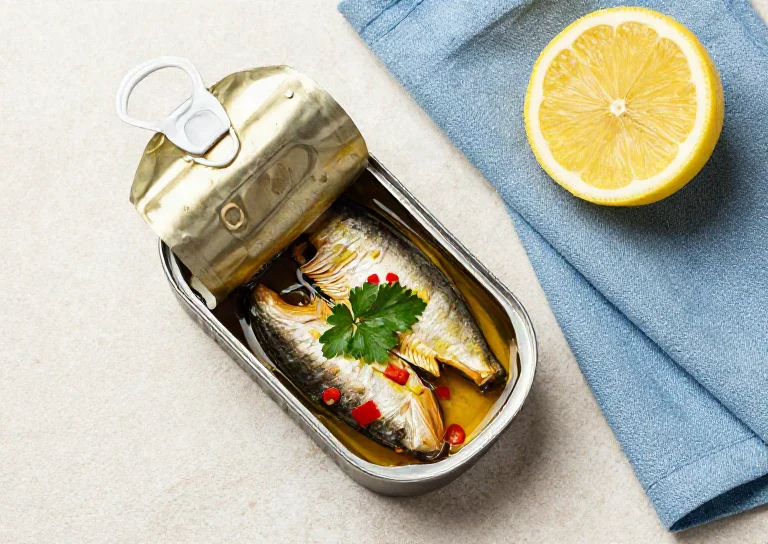
Metal cans are widely used due to their durability and ability to preserve food quality over extended periods. They come in various sizes and shapes, which can be tailored to fit different product needs. Glass jars offer a premium appearance and are often preferred for gourmet products like sauces or preserved vegetables. Their non-reactive nature ensures that flavors remain intact without leaching chemicals into the food. Flexible pouches provide lightweight options that are easy to transport and store while maintaining freshness.
Each type has its advantages depending on factors such as shelf life requirements, transportation logistics, and consumer preferences.
Benefits of Different Lata Packaging Types
Choosing the appropriate lata packaging can significantly impact product preservation and marketability. Metal cans provide excellent barrier properties against light, oxygen, and moisture—key elements that affect food spoilage. This makes them ideal for long-term storage solutions.
Glass jars not only enhance aesthetic appeal but also allow consumers to see the product inside before purchase. They are recyclable and reusable, aligning with growing consumer demand for sustainable practices in packaging.
Flexible pouches stand out due to their versatility; they can be made from a variety of materials tailored to specific contents while minimizing waste through efficient design. Their resealable features also cater well to modern consumption habits where convenience is paramount.
By understanding these benefits, you can choose packaging that aligns with both operational goals and customer expectations.
Food Safety in Packaging
Food safety is a critical aspect when selecting lata packaging types. Each material interacts differently with food substances under varying conditions such as temperature fluctuations or exposure to air.
Metal cans must meet FDA regulations regarding coatings used inside containers since improper materials could lead to contamination or off-flavors in canned goods [FDA]. It’s vital that manufacturers ensure compliance with these standards during production processes.
Glass jars require careful handling during shipping due to breakage risks but pose minimal interaction concerns if properly sealed [USDA]. Ensuring airtight seals prevents microbial growth within packaged foods by limiting exposure to external contaminants.
Flexible pouches should utilize high-quality barriers designed specifically for perishable items; otherwise, compromised integrity may lead to spoilage before reaching consumers’ hands [ISO]. Regular testing protocols should be employed throughout production cycles ensuring consistent quality control measures are met across all batches produced.
Checklist: Selecting Lata Packaging
- Assess Product Type: Determine whether your product requires long-term preservation (metal), visual appeal (glass), or convenience (flexible).
- Evaluate Consumer Preferences: Consider what your target audience values—sustainability? Aesthetic? Portability?
- Review Compliance Standards: Ensure selected materials meet relevant health regulations.
- Test Integrity: Conduct tests on sealing methods across chosen formats.
FAQ
What are the different lata packaging types?
The main types include metal cans, glass jars, and flexible pouches—each serving unique purposes based on content type and desired shelf life.
How do lata packaging types compare?
Metal cans excel in durability; glass offers visibility with premium presentation; flexible pouches provide lightweight convenience—all impacting choice based on product strategy.
Which lata packaging is best for seafood?
For seafood products requiring extended shelf life without compromising flavor integrity—metal cans typically serve best due their protective qualities against environmental factors affecting freshness over time.
Selecting the right type of lata packaging involves considering multiple factors including functionality requirements alongside consumer expectations around sustainability practices today’s marketplace demands so you can effectively position your brand within competitive landscapes while ensuring optimal product longevity through effective choices made ahead-of-time concerning how goods will ultimately reach end-users successfully!
Ready to taste the difference?
Browse our hand-picked tins, or keep learning with more buying guides.

Written by
admin
Part of the Conservas editorial team: seafood lovers who taste, compare and research every tin we recommend.