Conservas is reader-supported. When you buy through links on our site we may earn an affiliate commission, at no extra cost to you. It never changes what we recommend.
Tips for Buying Sustainable Seafood
Sustainable seafood is essential for maintaining ocean health and ensuring responsible fishing practices. This guide will provide you with practical tips for buying sustainable seafood, helping you make informed choices that contribute to marine conservation.
Understanding Seafood Sustainability
Seafood sustainability refers to the methods used in harvesting fish and shellfish that do not deplete ocean resources or harm marine ecosystems. Sustainable fishing practices include using gear that minimizes bycatch, avoiding overfished species, and adhering to regulations designed to protect fish populations. Recognizing these practices allows consumers like you to support fisheries that prioritize environmental health.
To identify sustainable options, look for certifications from reputable organizations such as the Marine Stewardship Council (MSC) or Seafood Watch. These labels indicate adherence to established sustainability standards. Additionally, familiarize yourself with local fisheries management efforts, which can vary significantly by region but often aim at preserving local habitats and species diversity.
How to Identify Sustainable Seafood
When purchasing seafood, there are several key indicators of sustainability. First, check the label for certification seals from recognized organizations. These seals signify compliance with specific environmental standards regarding fishing methods and stock management.
Next, consider the type of seafood being sold. Some species are inherently more sustainable than others due to their reproductive rates and population resilience. For example, mackerel is generally considered a more sustainable choice compared to tuna because it reproduces quickly and has stable populations in many regions.
It’s also important to inquire about sourcing transparency when buying from markets or restaurants. Ask questions about where the seafood comes from and how it was caught or farmed. Establishments committed to sustainability should be willing and able to provide this information.
The Importance of Sustainable Seafood Choices
Choosing sustainable seafood is crucial for several reasons beyond personal health benefits; it plays a vital role in protecting marine ecosystems. Overfishing leads not only to depleted stocks but also disrupts entire food webs within ocean habitats. By opting for sustainably sourced products, you actively participate in efforts aimed at reversing these trends.
Moreover, supporting sustainable fisheries helps improve economic stability within coastal communities reliant on fishing industries while promoting better labor practices throughout supply chains. When consumers demand responsibly sourced products, they encourage producers who prioritize ecological balance over short-term gains.
Checklist: Key Points for Buying Sustainable Seafood
- Look for certification labels (e.g., MSC).
- Research local fisheries management.
- Choose species known for high sustainability.
- Ask suppliers about sourcing transparency.
- Stay informed on seasonal availability of different types of seafood.
FAQ
What are some examples of sustainable fish?
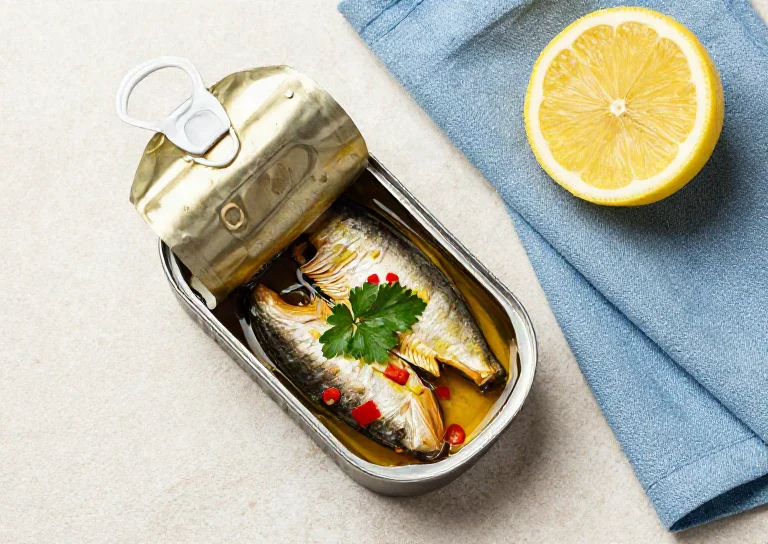
Species such as sardines, mackerel, anchovies, and certain types of salmon are typically regarded as more sustainable choices due to their abundance and low risk of overfishing.
How can I find out if my favorite restaurant serves sustainable seafood?
You can ask staff directly about their sourcing policies or check if they display any certifications indicating commitment toward sustainability standards.
Why should I care about eating sustainably sourced seafood?
Eating sustainably supports healthier oceans by reducing pressure on vulnerable fish populations while promoting ethical labor practices within the industry—benefits that extend far beyond your plate.
By following these tips when purchasing seafood—understanding what makes it sustainable—you contribute positively towards ocean health while enjoying delicious meals prepared with responsible ingredients so you can feel good about your choices every time you dine on quality fish products.
Ready to taste the difference?
Browse our hand-picked tins, or keep learning with more buying guides.

Written by
admin
Part of the Conservas editorial team: seafood lovers who taste, compare and research every tin we recommend.