Conservas is reader-supported. When you buy through links on our site we may earn an affiliate commission, at no extra cost to you. It never changes what we recommend.
Checklist for Buying Fresh Fish
Selecting fresh fish is essential for ensuring quality and flavor in your meals. This checklist for buying fresh fish will guide you through the critical aspects to consider, helping you make informed decisions at the seafood market or grocery store.
Signs of Fresh Fish
When evaluating fish freshness, observe several key indicators. First, check the eyes; they should be clear and bulging, not cloudy or sunken. Next, examine the gills; they must be bright red or pink and free from slime. The skin should appear shiny and metallic, indicating vitality.
Additionally, assess the flesh’s texture. It should feel firm to the touch and spring back when pressed. If it leaves an indentation, this may signal that the fish is past its prime. Lastly, a mild oceanic scent is normal; any strong or unpleasant odors are a red flag.
Types of Fish to Buy
Understanding different types of fish can enhance your purchasing decisions. Popular options include tuna, salmon, mackerel, and sardines—each offering unique flavors and health benefits. Tuna is known for its rich taste and versatility in dishes like sushi or grilled preparations.
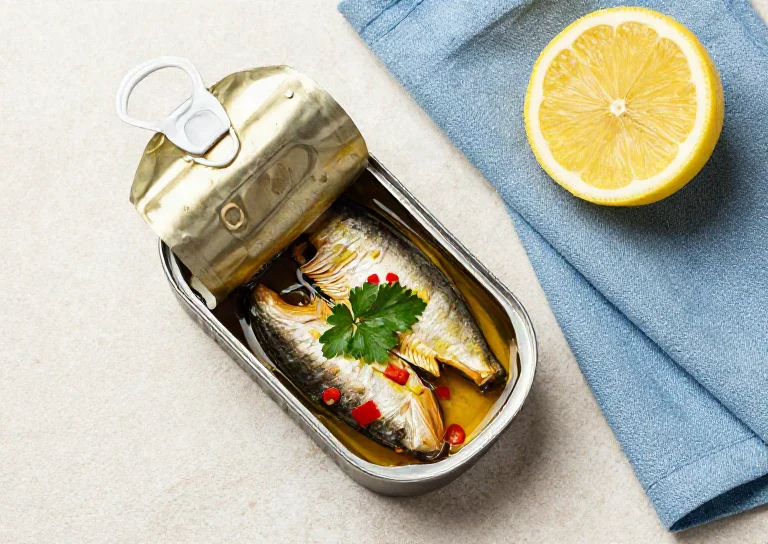
Salmon provides healthy omega-3 fatty acids while being deliciously fatty itself. Mackerel offers a stronger flavor profile but is also packed with nutrients. Sardines are often available canned but can also be found fresh; they are nutrient-dense and sustainable choices worth considering.
Seafood Storage Tips
Proper storage techniques extend the life of your fresh seafood after purchase. Always keep fish cold by storing it on ice if possible until ready to cook or prepare it at home. Use a shallow container to maximize contact with ice while preventing water from pooling around the fillets.
If you plan to store fish longer than one day, wrap it tightly in plastic wrap or aluminum foil before placing it in an airtight container or freezer bag. Label each package with the date so you can track freshness effectively—fish stored this way can last up to three months in freezing conditions without significant loss of quality.
Checklist for Buying Fresh Fish
- Check Eyes: Clear and bulging.
- Inspect Gills: Bright red/pink color.
- Examine Skin: Shiny appearance.
- Feel Flesh: Firmness test—should spring back.
- Smell Test: Mild ocean scent only.
- Know Your Options: Familiarize yourself with types like tuna and salmon.
- Storage Practices: Keep on ice; wrap securely if freezing.
FAQ
What should I look for when buying fish?
Focus on visual cues such as clear eyes, bright gills, shiny skin, firm flesh texture, and smell—all indicate freshness.
How can I tell if fish is fresh?
Freshness indicators include clarity in eyes/gills color/texture firmness/scent absence of strong odors.
Where can I find quality seafood?
Seek reputable local markets specializing in seafood where turnover rates ensure fresher options compared to larger supermarkets.
By following these guidelines closely during your next shopping trip for seafood selection ensures that you bring home only high-quality ingredients suitable for gourmet cooking experiences at home!
Ready to taste the difference?
Browse our hand-picked tins, or keep learning with more buying guides.

Written by
admin
Part of the Conservas editorial team: seafood lovers who taste, compare and research every tin we recommend.